
Herbal Medicine
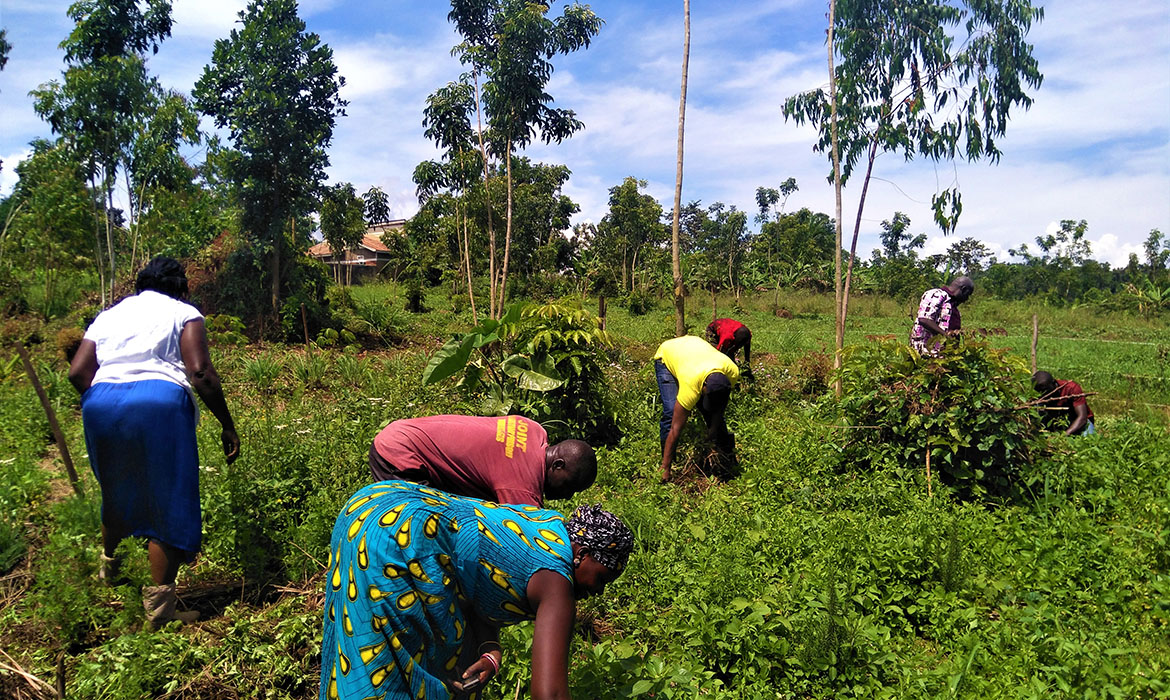
In Kiyunga, a vibrant community nestled in Mukono District, Uganda, herbal medicine plays a significant role in healthcare and cultural practices. The use of medicinal plants and traditional healing methods has a long and deeply rooted history in the region, and it continues to thrive alongside modern healthcare systems. This article explores the rich tradition of herbal medicine in Kiyunga and its importance to the local community.
1. Traditional Healing Practices:
Herbal medicine is an integral part of the traditional healing practices in Kiyunga. Local herbalists, often referred to as “traditional healers” or “witch doctors,” have a deep knowledge of the medicinal properties of various plants, roots, and herbs. They use this knowledge to diagnose and treat a wide range of ailments, from common illnesses to more complex health issues.
2. Medicinal Plant Diversity:
Kiyunga’s favorable climate and abundant flora make it an ideal environment for a wide variety of medicinal plants to thrive. The region’s forests and farmlands are home to numerous plant species with known therapeutic properties. These include herbs like aloe vera, neem, ginger, and moringa, among others, each used for its unique healing attributes.
3. Holistic Healthcare Approach:
Herbal medicine in Kiyunga is often practiced as part of a holistic approach to healthcare. Traditional healers consider not only the physical symptoms but also the spiritual and emotional well-being of their patients. They often incorporate rituals, prayers, and ceremonies into their healing processes, aiming to address the root causes of illnesses.
4. Cultural Significance:
Herbal medicine is deeply intertwined with the cultural heritage of the Kiyunga community. It is not merely a form of healthcare but also a way to connect with ancestral traditions and preserve cultural identity. The knowledge of herbal remedies is passed down through generations, ensuring its continuity.
5. Challenges and Opportunities:
While herbal medicine is cherished in Kiyunga, it faces challenges and opportunities:
a. Integration with Modern Medicine: There is an ongoing debate regarding the integration of traditional herbal medicine with modern healthcare systems. Finding ways to collaborate and share knowledge between traditional healers and medical professionals could improve healthcare outcomes.
b. Sustainable Harvesting: The overharvesting of medicinal plants from the wild poses a threat to biodiversity. Encouraging sustainable harvesting and cultivation of these plants is essential.
c. Research and Documentation: There is a need for scientific research to validate the efficacy and safety of traditional herbal remedies. Documenting traditional knowledge can help preserve it for future generations.
d. Economic Opportunities: Herbal medicine can also be a source of income for the community. Developing herbal medicine tourism or herbal product businesses can create economic opportunities for local residents.
Herbal medicine is a vital component of healthcare and culture in Kiyunga, Mukono District. It represents a holistic approach to healing that combines traditional wisdom with the rich biodiversity of the region. While facing challenges, the practice of herbal medicine also offers opportunities for sustainable healthcare, economic development, and cultural preservation in this vibrant Ugandan community.