
Agriculture in Mukono-Kiyunga District, Uganda
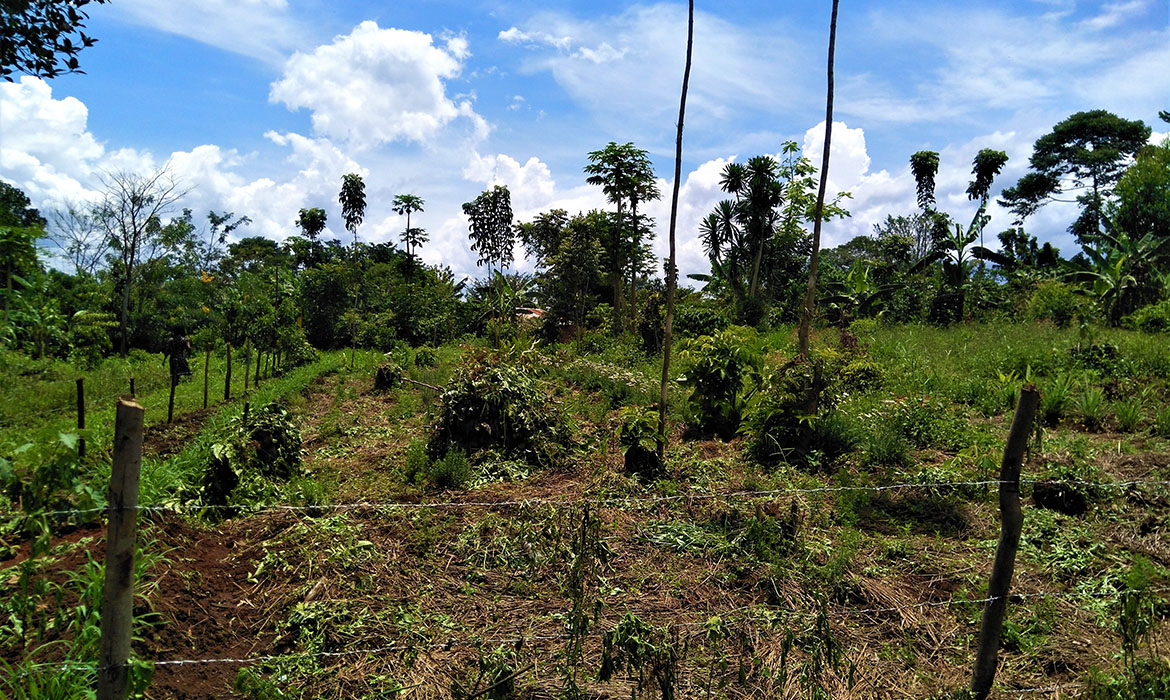
Mukono-Kiyunga District, located in the central region of Uganda, is renowned for its vibrant and diverse agricultural sector. Agriculture plays a pivotal role in the district’s economy, providing livelihoods to a significant portion of the population and contributing to food security both locally and nationally. This article explores the agricultural landscape of Mukono-Kiyunga District, highlighting its key features, challenges, and opportunities.
1. Diverse Crop Cultivation:
Mukono-Kiyunga District boasts a rich variety of crops grown throughout the year. Smallholder farmers in the region cultivate staple crops such as maize, cassava, sweet potatoes, beans, and millet. Additionally, the district is known for the production of cash crops like coffee, tea, and vanilla. The favorable climate and fertile soils in the region make it suitable for a wide range of crop cultivation.
2. Coffee Production:
Coffee is one of the major cash crops in Mukono-Kiyunga District. The region’s altitude and climate are well-suited for Arabica coffee cultivation. Small-scale coffee farmers thrive here, and coffee is not only a source of income but also an integral part of the local culture.
3. Livestock Farming:
In addition to crop farming, livestock farming is a significant aspect of agriculture in the district. Farmers rear cattle, goats, sheep, and poultry. Livestock provides a valuable source of protein and income for the local population. Dairy farming is particularly prevalent, with the production of milk and dairy products being a vital part of the agricultural sector.
4. Challenges:
Despite its agricultural potential, Mukono-Kiyunga District faces several challenges that hinder the sector’s growth:
a. Land Fragmentation: Subdivision of land into smaller plots due to population growth has led to reduced farm sizes, making it difficult for farmers to achieve economies of scale.
b. Limited Access to Markets: Farmers often struggle to access reliable markets for their produce, leading to post-harvest losses and reduced income.
c. Pest and Disease Pressure: Crop diseases and pests, such as banana wilt and coffee leaf rust, pose significant threats to agricultural productivity.
5. Opportunities:
Despite these challenges, there are several opportunities for agricultural development in Mukono-Kiyunga District:
a. Value Addition: Investing in food processing and value addition can help farmers increase their income and reduce post-harvest losses.
b. Market Linkages: Strengthening market linkages through cooperatives and partnerships can provide farmers with better access to markets and fair prices.
c. Climate-Smart Agriculture: Implementing climate-smart agricultural practices can help mitigate the impact of climate change on crop yields.
d. Training and Capacity Building: Providing farmers with training and resources to improve their farming techniques and adopt modern technologies can enhance productivity.
Agriculture is the backbone of Mukono-Kiyunga District’s economy, offering both livelihoods and sustenance to its residents. While challenges exist, the district’s agricultural sector holds significant potential for growth and development, especially through value addition, improved market access, and sustainable farming practices. With the right support and investment, Mukono-Kiyunga District can continue to be a vital contributor to Uganda’s agricultural landscape.